
Bon Secours Baltimore Health System: making housing a priority for close to 30 years
By Les Gura
Bon Secours Baltimore Health System is located in the heart of southwest Baltimore, a residential neighborhood that in the late 1980s faced the flight of its middle class population and a deteriorating neighborhood around its hospital. Despite that, Bon Secours Baltimore chose at the time to invest $30 million in a new hospital wing, a huge commitment to imaging, inpatient and outpatient units, new operating rooms and ambulatory surgeries.
It turned out to be a flop.
Rather than drive patient volume, the hospital continued to struggle, says George Kleb, who today is executive director of housing and community development for Bon Secours Baltimore. But it was hardly the end.
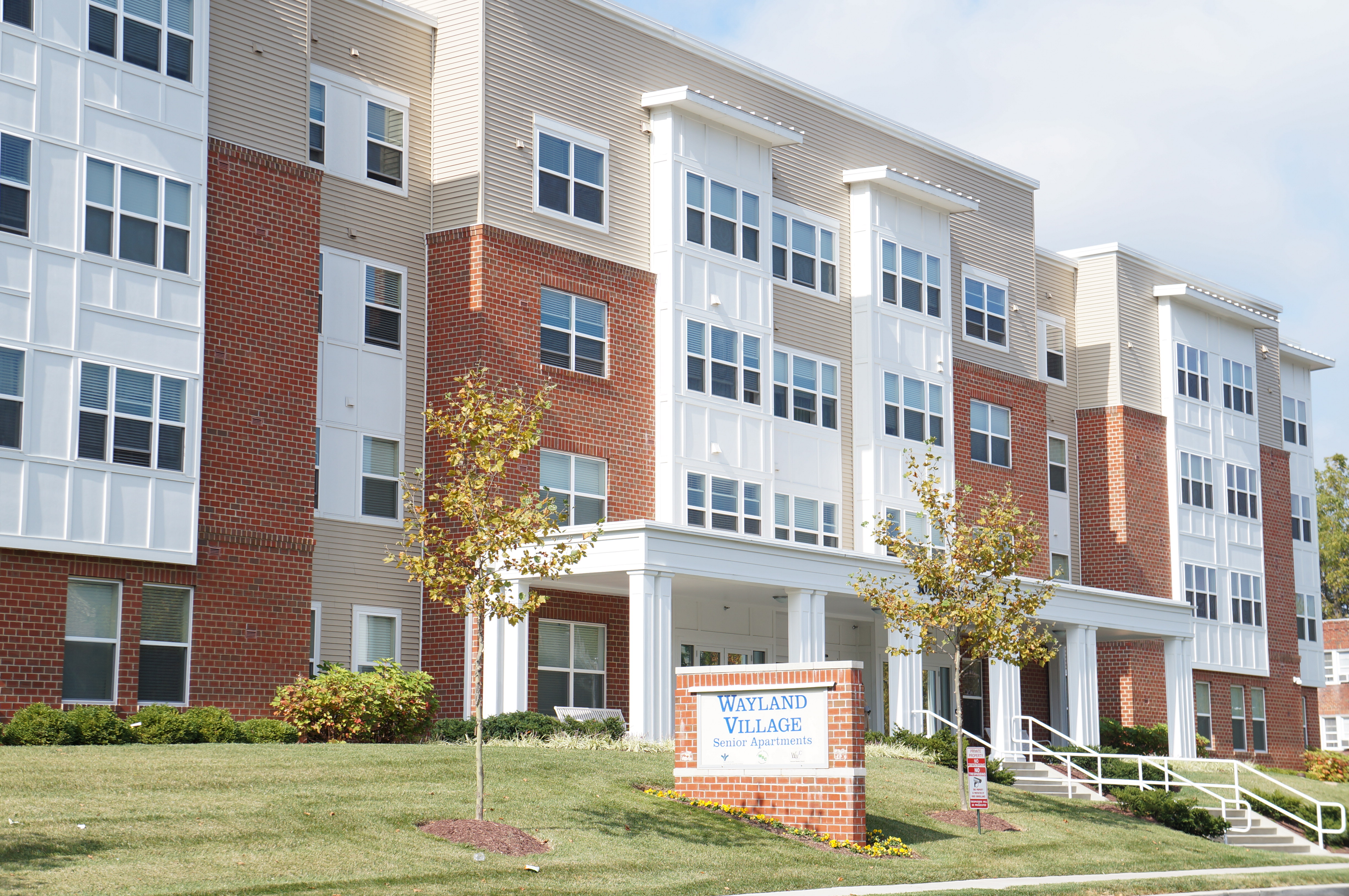
Bon Secours officials noticed that one initiative they had begun in the late 1980s was doing well. It was a small housing development for senior citizens and the disabled on moderate incomes, backed by government vouchers for rental assistance and supporting services.
From that small program, Bon Secours, then a 208-bed community hospital, began a remarkable transformation. Today, the Bon Secours Baltimore hospital has 88 beds and sits amid 649 units of housing for all ages (with plans to grow to about 1,200 units) operated by the health system, which also offers an array of community services to residents of those units and the community at large.
What’s needed on the street?
“The Sisters of Bon Secours came to this part of Baltimore back in the 1880s,” Kleb says, “and they didn’t even open a hospital until 1919. They were here for almost 40 years being involved in all aspects of life in the community. The first thing they opened, in 1907, was a day care center.
“So it’s always been more holistic with Bon Secours. The roots of the ministry are very much ‘What’s the need on the street?'”
What Bon Secours officials realized was that to succeed as a health care organization in their location required a strong commitment on their part, as well as outreach both to government agencies and private partners who could assist them. Bon Secours joined with Enterprise Community Partners, an organization that builds affordable housing nationally, on the construction and renovation of homes and apartments.
Housing and key services
Another key piece was connecting with people in the community, who understood the true needs in an area where income was down and property values were declining. Residents were part of the team that addressed and helped develop programs seen as crucial to the success of the new housing.
Over five years, Bon Secours Baltimore acquired nearly two-thirds of the 101 vacant houses in the immediate three blocks leading to the hospital. It also acquired a small, vacant former school building.
Thus began a long, slow climb to making the neighborhood more vibrant, providing affordable housing to those struggling to succeed and offering the key services that people sought to achieve better health.
The Community Works program was borne out of the desire to address the needs of those in the community, whether they were living in Bon Secours housing or not. Today there is a family support center, community services, a women’s resource center, neighborhood revitalization, workforce development, and clean and green programs associated with Community Works. And the program occupies the space—leveled and rebuilt—once occupied by the former school.
Partnered with the community
 “There was definitely realization early, even before we launched, that we were going to have to be comprehensive,’’ Kleb says. “We’re a community hospital; our emergency room is on a residential street. We can look out our window and see other peoples’ living room windows and they can look out there and see us.
“It’s not like we never addressed those issues before, but this was a big piece of what we tried to do. The idea of buying that old school was to provide some services that we don’t provide at the hospital.’’
One benefit of operating housing is that by providing a stable home environment, Bon Secours Baltimore can begin working on other factors that affect quality of life, and thus health, Kleb says.
Over the years, care management through Bon Secours has evolved to address long-term, chronic diseases such as diabetes and obesity. Services initiated with the hospital for those who use Bon Secours Baltimore Health System include case management and continuous treatment to try to ensure better long-term health outcomes. For example, the hospital helps patients make connections with pharmacies to ensure people receive the prescriptions they need and that they take medicines as prescribed.
The idea of a hospital getting into the housing business began long ago for Bon Secours. But Kleb says the success of Bon Secours Baltimore with its program isn’t necessarily because its leaders were visionary.
“What we didn’t anticipate was how the health care delivery system would change. Back then, reimbursement was based on getting people in beds; now it’s about keeping people healthy.
“You can never look into a crystal ball and predict what’s going to happen,’’ he says. “When you make a commitment to a partner and follow it, you go where it takes you.
0 Comments